
Dental Materials and Clinical Standards at Sidus Dental
Implant systems, EU-certified materials, laboratory-made restorations and written warranty terms.
Clear dental treatment standards for international patients choosing Albania.
Home » Dental Materials and Standards
Case Review, CBCT Planning and Clinical Team Selection
Every treatment starts with case review before the patient travels to Albania.
Photos, X-rays and CBCT scans are used where needed to understand bone condition, tooth position, bite, infection risk, sinus position and the treatment route that fits the case.
The clinical team is selected according to the treatment needed. Implant cases, full-arch cases, crown cases and complex restorations require different levels of surgical, prosthetic and laboratory planning.
This is how treatment starts properly: review first, planning first, team selection first.







Recognised Implant Systems Used in Treatment
Dental implant treatment should always be clear about the implant system being used.
For implant cases, we work with recognized implant systems such as Straumann, MegaGen, BioHorizons and Bicon. These systems are used in modern implant dentistry and selected according to the patient’s bone condition, treatment route, budget and long-term plan.
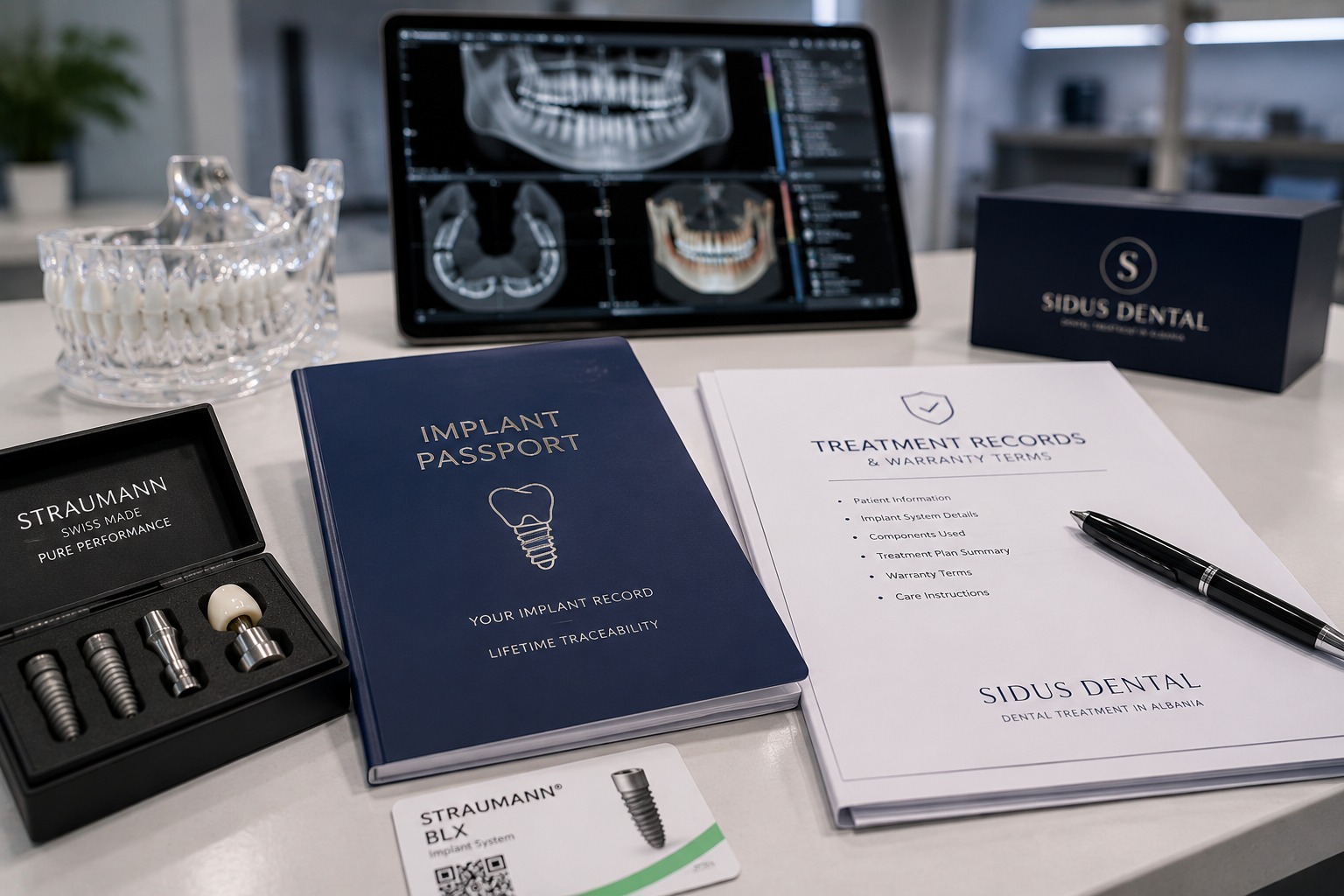
The implant brand proposed for your case is confirmed before treatment. After implant placement, the exact implant details are recorded in your implant passport, including the brand, model and batch number where available.
This gives international patients clear traceability, instead of leaving the implant system unclear after treatment.
EU-Certified Prosthetic Materials for Crowns and Full-Arch Bridges
The implant is only one part of the treatment. The final teeth also depend on the prosthetic material used for crowns, bridges and full-arch restorations.
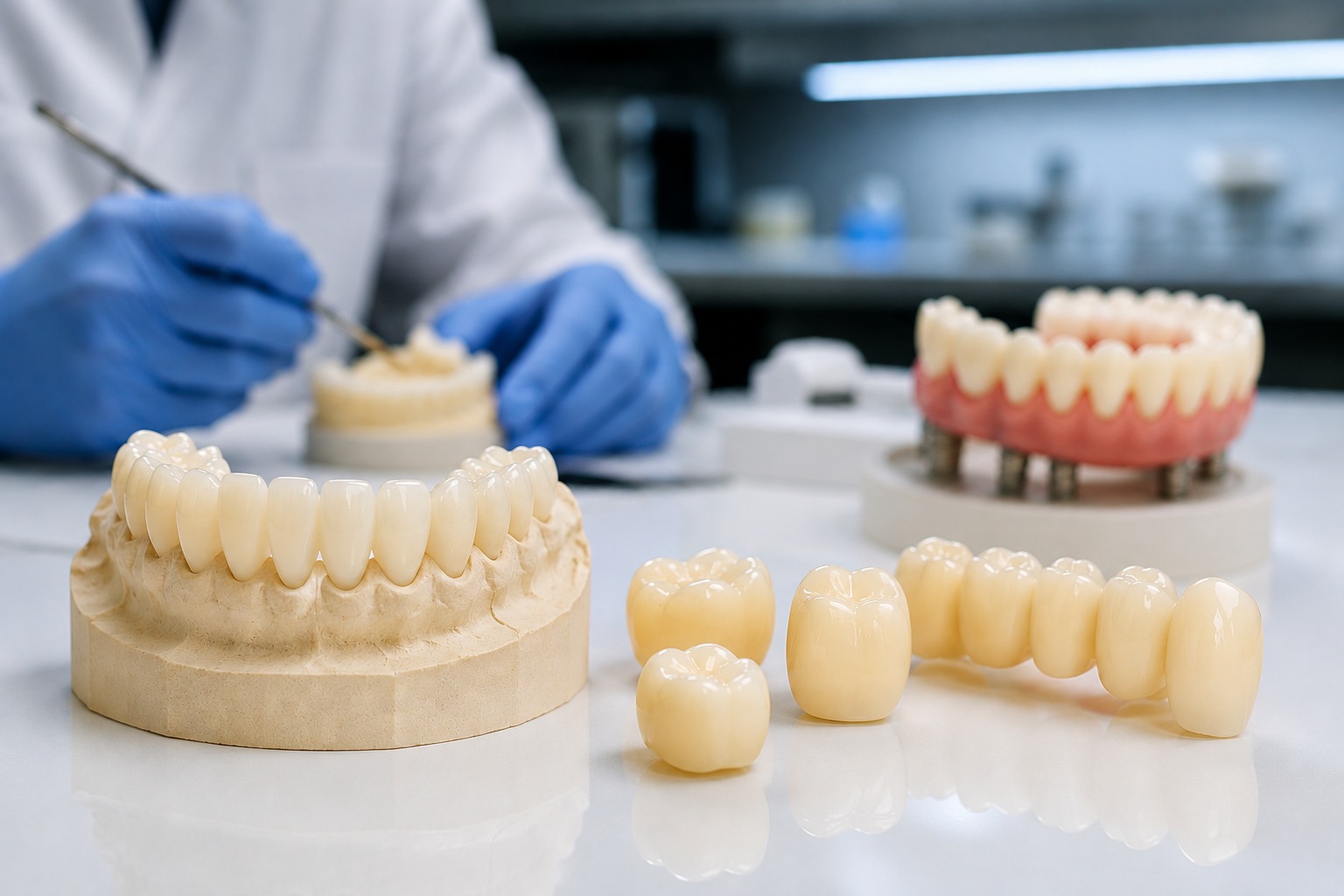
For prosthetic work, we use EU-certified materials for zirconia crowns, e.max ceramic restorations and full-arch dental bridges. Material selection depends on the treatment route, bite, smile design, strength requirements and the final result planned for the patient.
Recognised material manufacturers such as Dental Direkt, Zirkonzahn and Ivoclar are used across crown, bridge and full-arch cases where suitable.
EU-certified materials are not treated as an upgrade or optional extra. They are part of the treatment standard because the final teeth must be strong, traceable, natural-looking and planned for long-term function.
Dental Laboratory Standards and Final Teeth Design
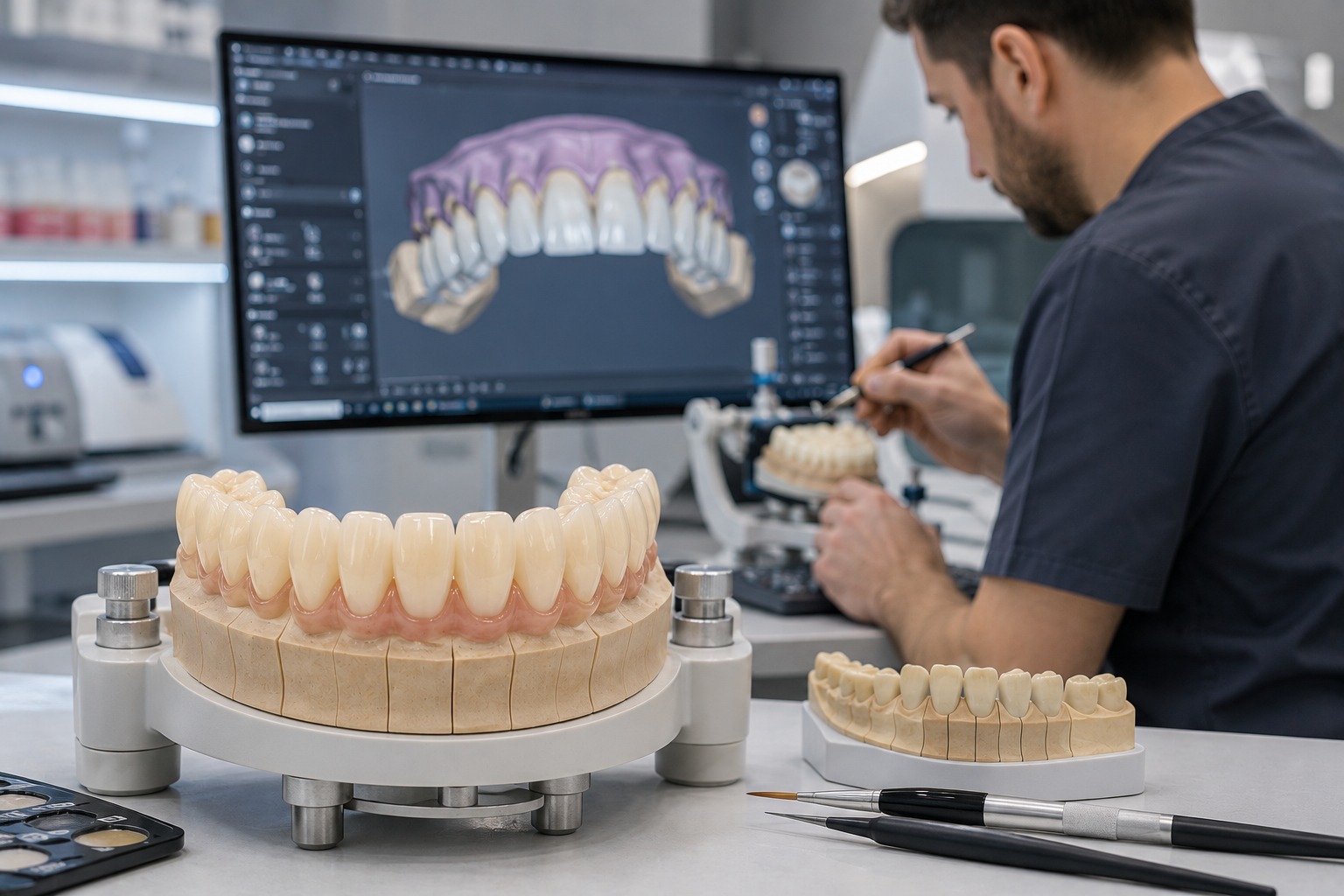
We do not treat the dental laboratory as a separate detail at the end of treatment. The lab work is part of the treatment plan from the beginning.
For crowns, bridges and full-arch restorations, we plan the final teeth around bite, smile line, facial balance, material strength and long-term comfort.
The laboratory designs and finishes the final teeth according to the clinical route, not as a generic set of teeth. This matters especially for All-on-4, All-on-6 and full-mouth restoration cases, where the final bridge must work with the implants, jaw movement and bite.
The goal is simple: teeth that look natural, feel stable and function properly.
Surgical, Hygiene and Sterilization Protocols
We do not treat surgery as only the moment when implants are placed. The protocol around the surgery matters just as much.
Before treatment starts, the case is reviewed, the surgical route is planned and the treatment steps are explained. During treatment, hygiene, sterilization and clinical preparation are followed according to proper dental surgical protocols.
For Implants, All-on-4 , All-on-6 or Full Mouth Restorations cases, this includes clean surgical preparation, sterile instruments, controlled implant handling and careful planning around bone, gums, bite and healing.
The standard is simple: no rushed surgery, no unclear protocol and no shortcuts with patient safety.
Implant Passport, Written Records and Warranty Terms
Every implant case should leave the patient with clear records, not vague information.
After implant placement, an implant passport is provided with the details of the implant system used, including the brand, model and batch number where available.
Your treatment plan and itemized quotation are also provided in writing, so the route, materials, stages and costs are clear before treatment starts.
Written warranty terms are provided for the agreed materials and clinical work, so international patients know what is covered and what the aftercare expectations are.
Why These Standards Matter for International Patients
When you travel abroad for dental treatment, you need more than a price. You need to know what implant system is being used, what materials are planned, who is reviewing the case and what records you receive after treatment.
This is why we confirm the treatment route before travel, use recognised implant systems, work with EU-certified prosthetic materials and provide written records for implant cases.
For international patients, clear standards reduce confusion. You understand the plan, the materials, the stages, the quotation and the warranty terms before treatment starts.
That is the difference between choosing treatment only by price and choosing treatment with proper information behind it.
Common Questions About Dental Materials and Standards
What materials are used for dental crowns?
Dental crowns today are commonly made from zirconia, lithium disilicate / E-max, porcelain, metal-ceramic, and in some cases full metal. What matters most is not only the material name, but whether it is clearly identified, properly chosen, traceable, and suitable for long-term function as well as appearance.
What are dental implants made of?
Most dental implants today are made from titanium, while some systems also use zirconia as a metal-free option. But for the patient, the real question is not only the raw material. It is also which implant system is being used, how clear the restorative route is, and whether the case is being planned properly.
Are all dental implant systems the same?
No. Implant systems are not all the same in design, connection, components, and long-term restorative support. That is why a serious patient should know exactly which system is being proposed and not accept vague answers like “an implant is an implant”.
What should I ask before choosing dental treatment abroad?
You should ask what materials and systems are being proposed, who will carry out the treatment, how the case will be planned, and what happens if follow-up is needed later. Clear answers matter more than fast promises, because serious treatment should feel structured before you commit.
What should I check before accepting dental treatment in Albania?
Before accepting dental treatment in Albania, check the proposed materials, the implant or restoration system, the clarity of the plan, the standards behind the work, and who stays accountable through the process. Albania is not the problem. Moving forward without enough clarity is.
Start Your Case Review with Written Treatment Details
Send your photos, X-ray or CBCT scan and we will review your case before you travel.
You receive clear treatment details, including the proposed route, materials, implant system where needed, stages, quotation and warranty terms.