

Single Implant
Used when one tooth is missing and the surrounding teeth are still healthy. A single implant can support one crown without cutting the neighbouring teeth.
Replace missing or failing teeth with dental implant treatment in Albania, at up to 70% lower cost than in the UK and Western Europe, using European implant systems, certified materials, and experienced implantologists and oral surgeons.
Home » Dental Implants in Albania
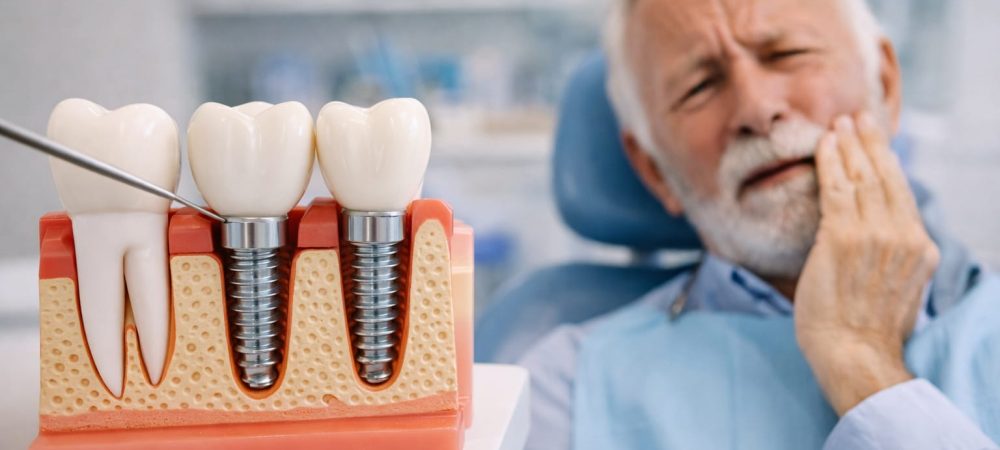
Dental implant costs in Albania are usually much lower than in the UK and Western Europe, especially for patients who need multiple implants, implant-supported bridges, All-on-4, All-on-6 or full-mouth restoration.
The final cost depends on the number of implants needed, the implant system used, the type of final teeth, bone condition, extractions, scans, temporary teeth and whether the treatment is completed in one or more stages.
At Sidus Dental, the aim is not to give you the cheapest possible implant price. The aim is to give you a clear treatment route, quality materials and a realistic treatment stucture before you travel.
| Treatment type | Starting price | What can affect the final price |
|---|---|---|
| Single dental implant | From £390 | Implant system, bone condition, scan findings, need for extraction, grafting or additional clinical work. |
| Implant + crown | From £470 | Implant system, abutment type, crown material, gum condition, bite position and final aesthetic requirements. |
| Multiple implants | Case-based | Number of missing teeth, number of implants needed, bridge design, bone condition, bite and final material used. |
| All-on-4 | From £3,000 | Upper or lower jaw, extractions, bone condition, temporary teeth, final prosthetic material and treatment stages. |
| All-on-6 | From £3,500 | Upper or lower jaw, number of implants, bone condition, temporary teeth, final material, bite design and treatment stages. |
Dental implant treatment is not the same for every patient.
Some patients need one implant to replace a single missing tooth.
Others need several implants, an implant-supported bridge, or a full-arch solution such as All-on-4 or All-on-6.
The right route depends on how many teeth are missing or failing, the condition of the bone, the bite, the remaining teeth, the type of final teeth required, and the result the patient wants to achieve.
At Sidus Dental, implant treatment starts by understanding the case properly, so the proposed route matches the real condition of the mouth, not just a standard package.
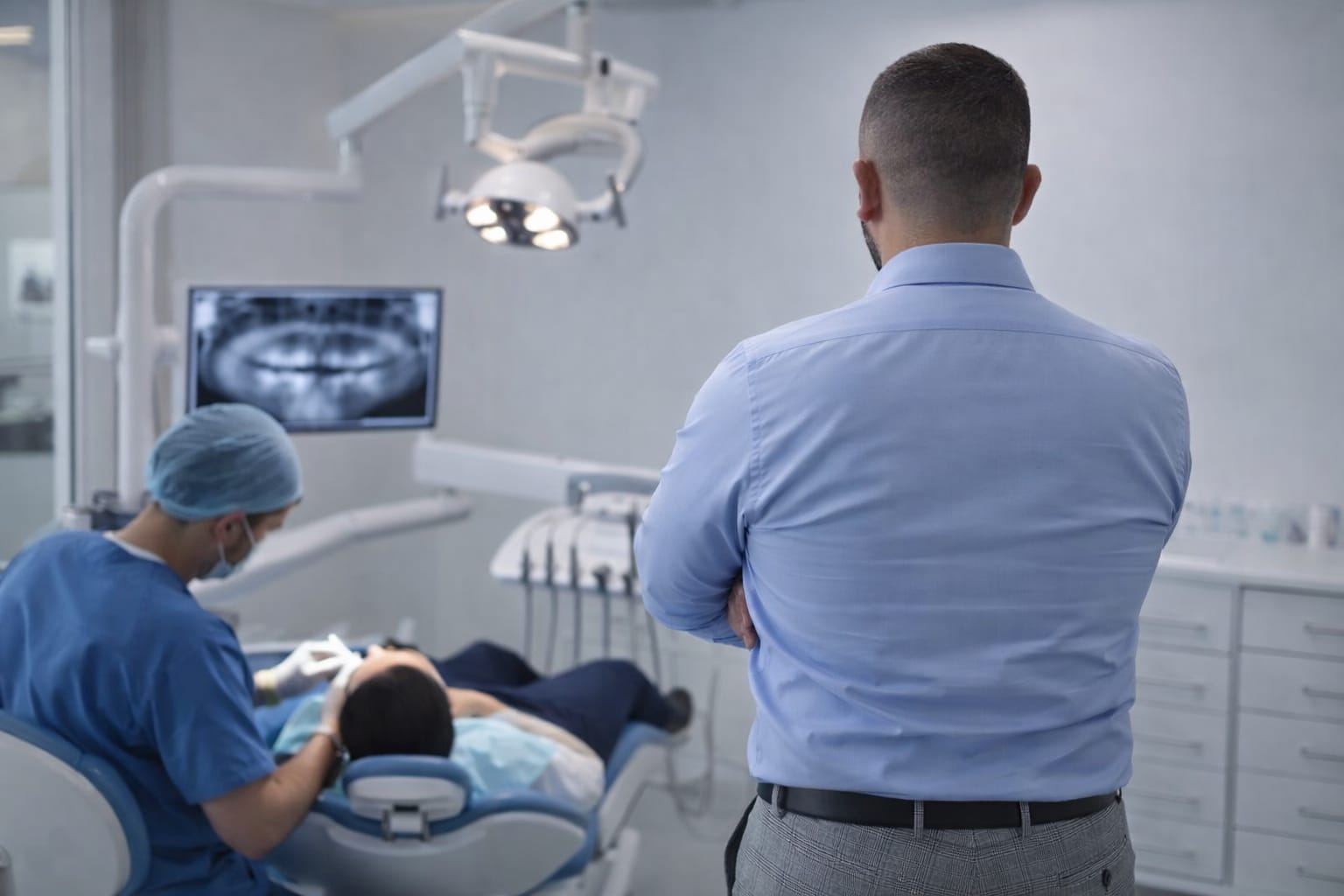
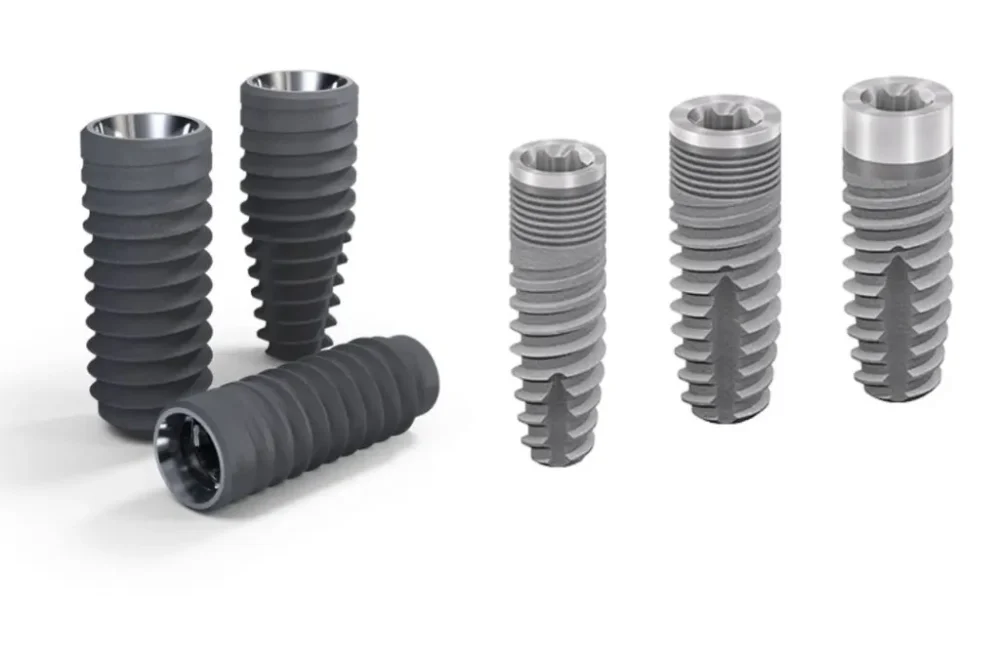
Used when one tooth is missing and the surrounding teeth are still healthy. A single implant can support one crown without cutting the neighbouring teeth.

Used when several teeth are missing in different areas of the mouth. The number of implants depends on the position of the missing teeth, bone condition and bite.

Used when several teeth are missing in one area. Instead of replacing every tooth with one implant, implants can support a fixed bridge.

Used when most or all teeth in one jaw are missing, failing, or need to be replaced with a fixed full-arch solution such as
All-on-4 or All-on-6 or a Full Mouth Restoration.
Sidus Dental works with Nobel Biocare, Straumann, BioHorizons and MegaGen. The implant system used for your case is documented before you commit. Not mentioned verbally, but confirmed in writing.
Final crowns, bridges and full-arch prosthetics are produced from metal-ceramic, zirconia or e.max ceramic, using certified materials also used across Western Europe. The material planned for your final teeth is explained before you travel, so you understand what you are paying for.
Experienced Implantologists and Oral Surgeons Implant treatment at Sidus Dental is carried out by oral surgeons and implantologists with internationally recognised training and verified clinical experience. The right surgeon is matched to the specific case.
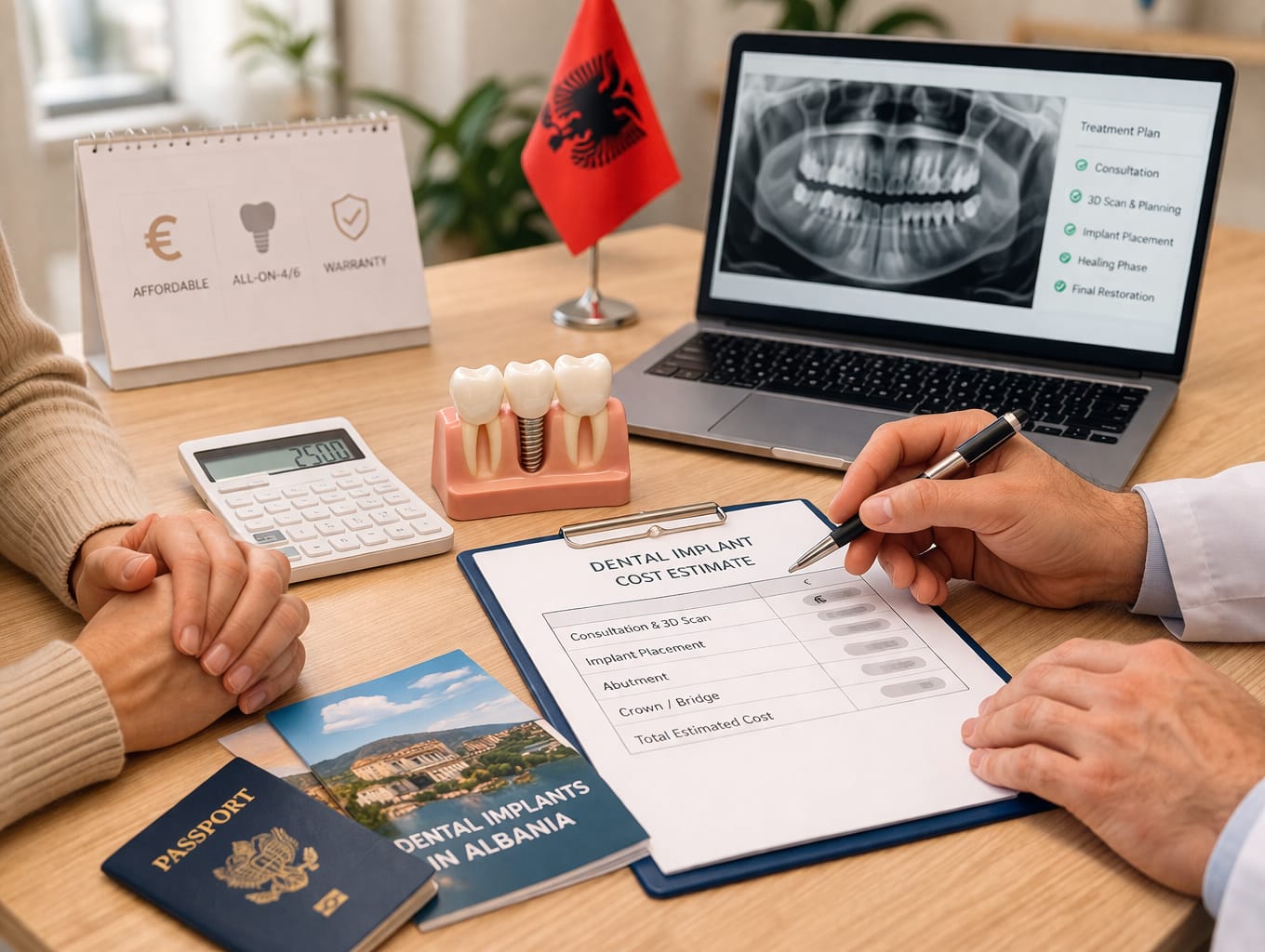
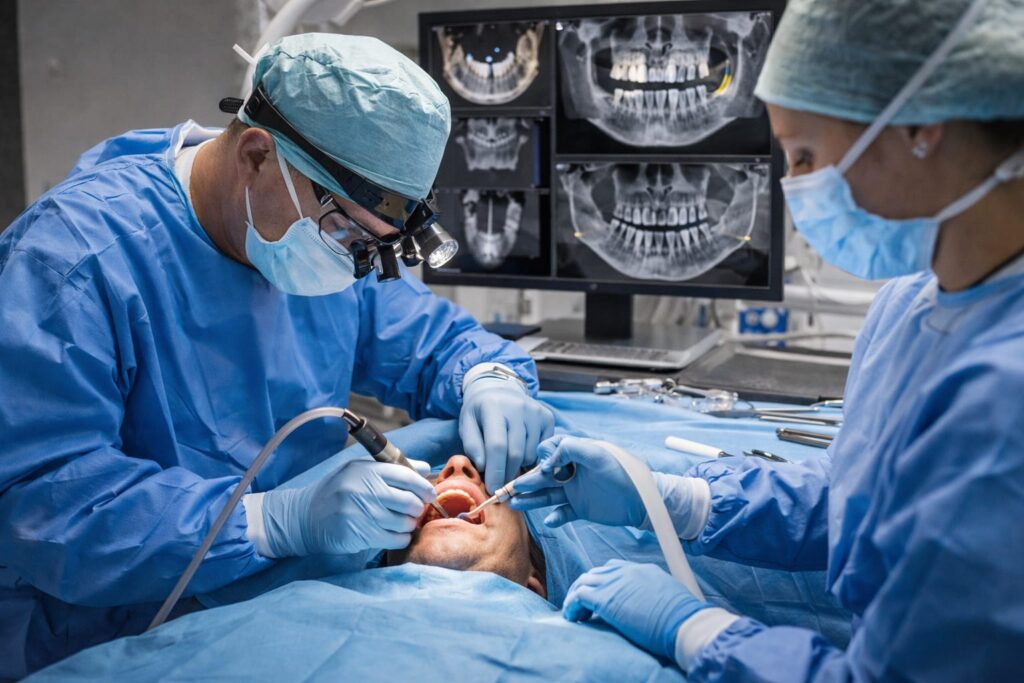
Your case is reviewed before any commitment is made. Photos, X-rays, CBCT scan or an existing treatment plan are used to identify the correct treatment route, confirm the implant options and give you a clear picture of costs and stages before you travel.
The clinical team confirms the treatment route on arrival and carries out the implant work according to the plan. Where needed, temporary teeth are provided so you leave Albania with a functional, aesthetic result while the implants integrate.
Once the healing period is complete, typically three to six months depending on the case, the final crowns, bridges or full arch prosthetics are fitted.
The result is fixed, fully functional and designed for long-term use.
Before you travel, your implant route, treatment stages, cost factors, implant system, materials and clinical team are confirmed clearly in writing.
Every implant treatment delivered by Sidus Dental comes with a written warranty covering the agreed materials and clinical work, according to the warranty terms provided before you commit.
If a covered clinical or material issue arises within the warranty period, the required corrective treatment is handled at no additional treatment cost under those terms.
That is not a verbal promise. It is a documented commitment made before you decide to move forward.

Yes, dental implants in Albania are safe when the case is planned properly and done through the right clinic, surgeon, materials, and aftercare.
The real risk is not a country alone. The real risk is choosing blindly, trusting marketing, or moving forward on price without proper control. That is why Sidus Dental stays in charge of the route, checks the clinic, the surgeon, the implant system, the materials, and keeps the case under closer control from the start.
This should be clear before you ever book.
Good implant treatment does not end when you leave Albania. You should know what comes next, what checks may still be needed, who answers if a problem appears, and who stays accountable after treatment.
That is one reason patients choose Sidus Dental. The case is not just sold and forgotten. The route is managed with more control before, during, and after treatment.
No, the procedure itself should not be painful because it is done under proper anaesthesia.
After treatment, some soreness, swelling, or discomfort can happen, especially in the first days. That is normal. The bigger issue is not pain alone. It is whether the case is planned properly, treated carefully, and followed properly after treatment.
In most cases, dental implant treatment is done in two stages.
The first stage is the implant placement and any other work needed to prepare the case. Then there is a healing period. The second stage is the final restoration once the implants are ready to support the final teeth. The exact timing depends on the case, but serious implant treatment should never be sold as one fixed timeline for everyone.
Dental implants are made to last for many years and can last a very long time when the case is planned well, placed well, and maintained properly.
Their longevity depends on the treatment plan, the implant system, the quality of the work, the bite, and the care after treatment. That is why smart patients do not only ask how long implants last. They ask how well the whole case is being managed from the start.
Share your photos, scans, X-rays, or treatment details and take the first step through a clearer, more controlled process.